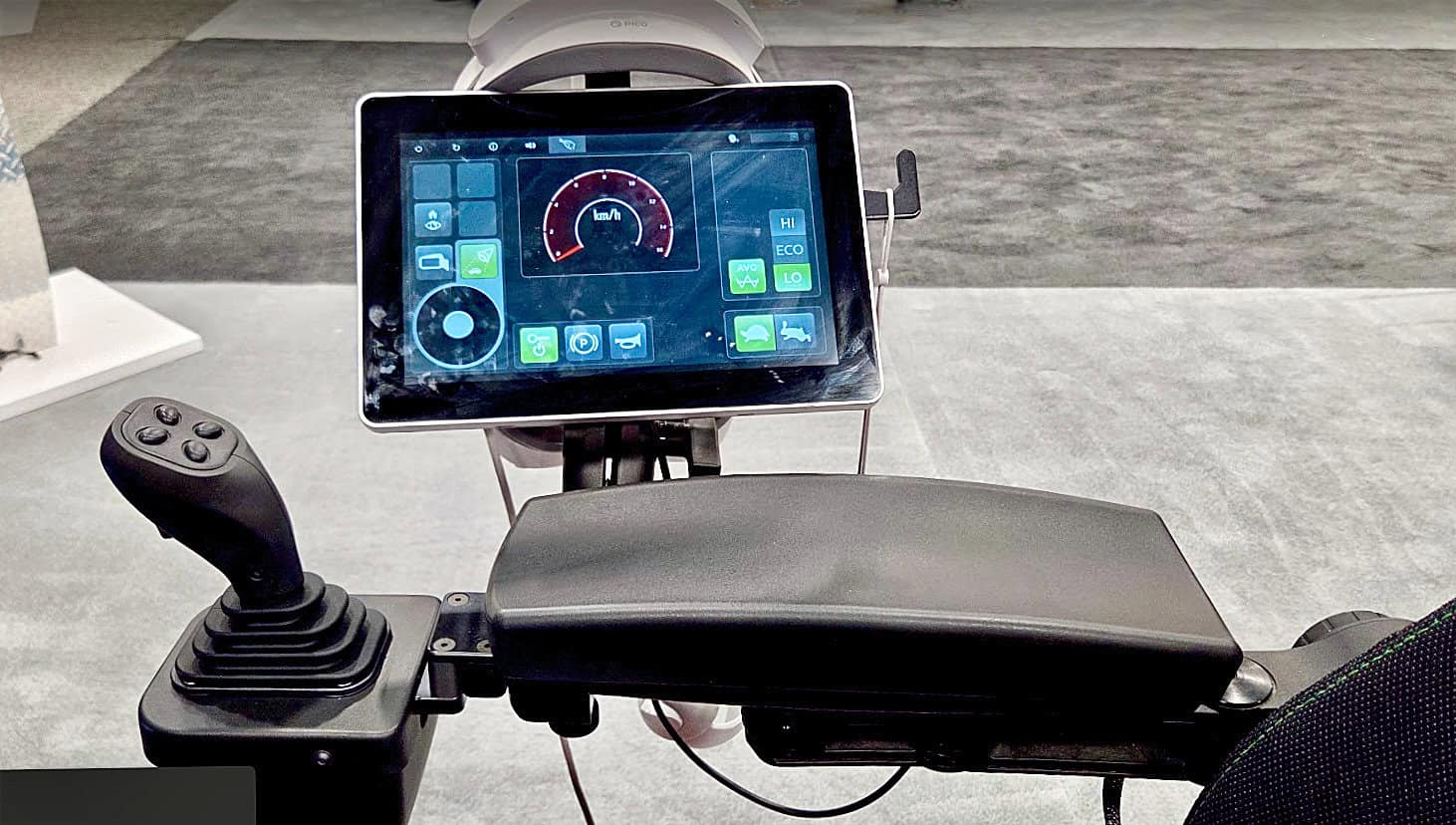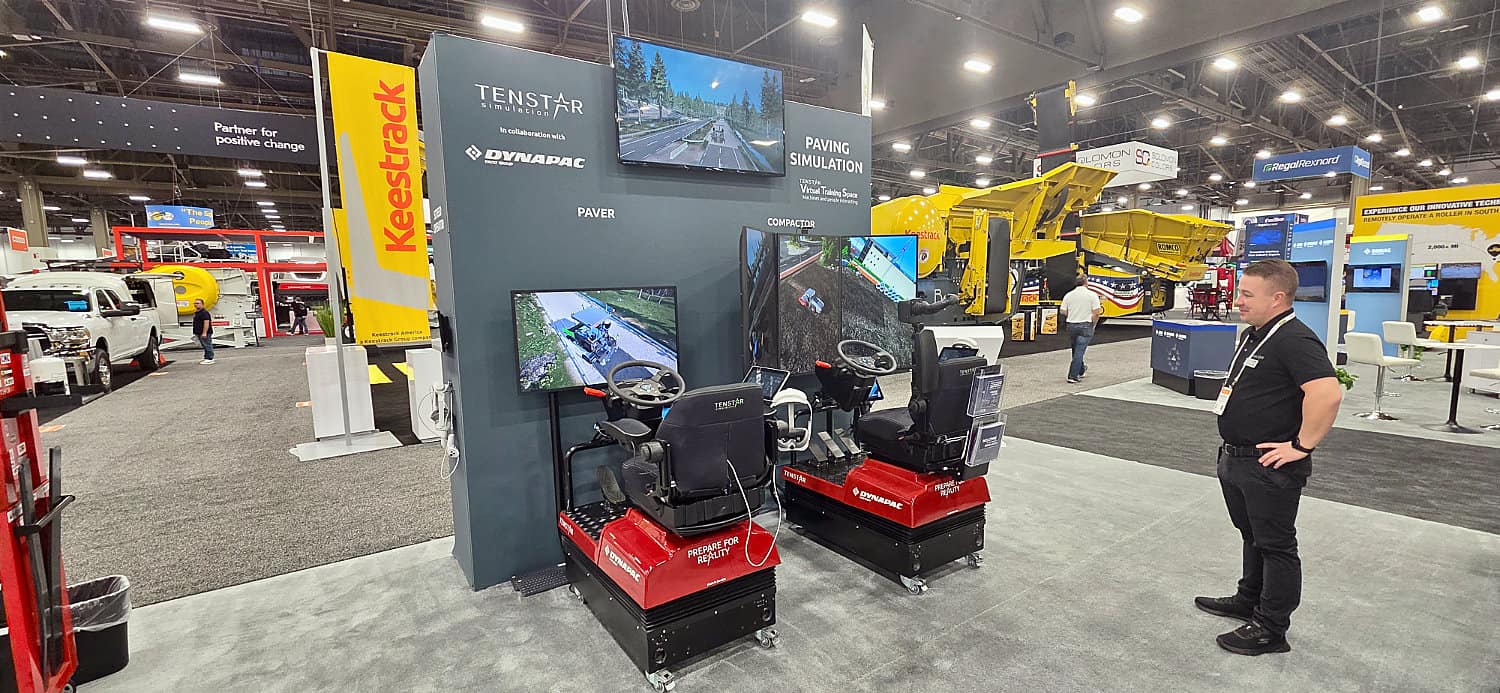
In applications such as asphalt paving, surface drilling and other slow-moving off-highway operations, operators must set a precise speed and trust that it remains stable without continuous hand pressure. Here, the C17 friction-hold control offers a clear operational advantage.
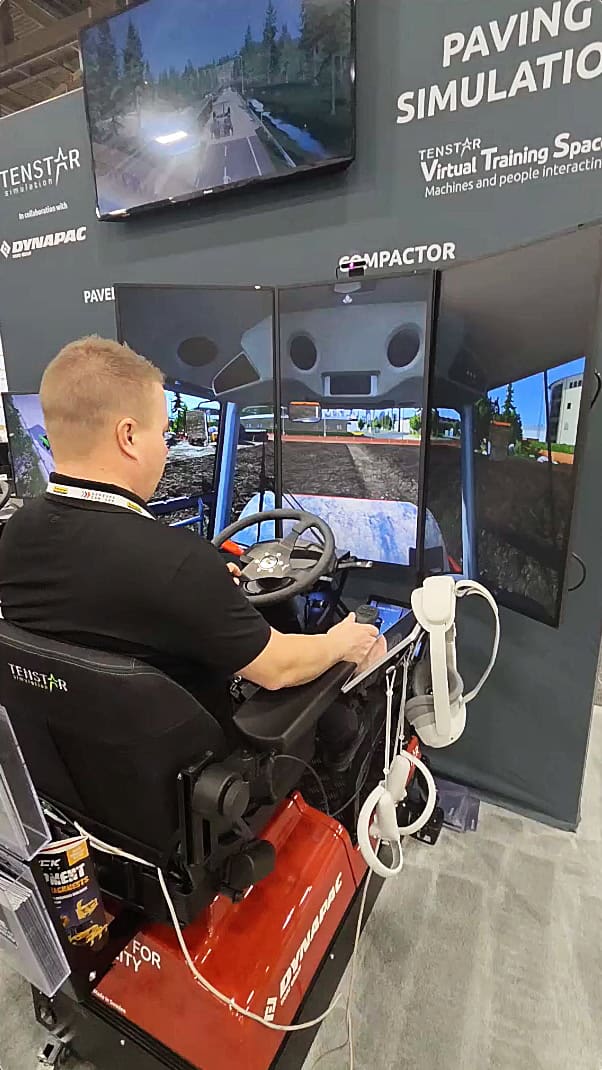
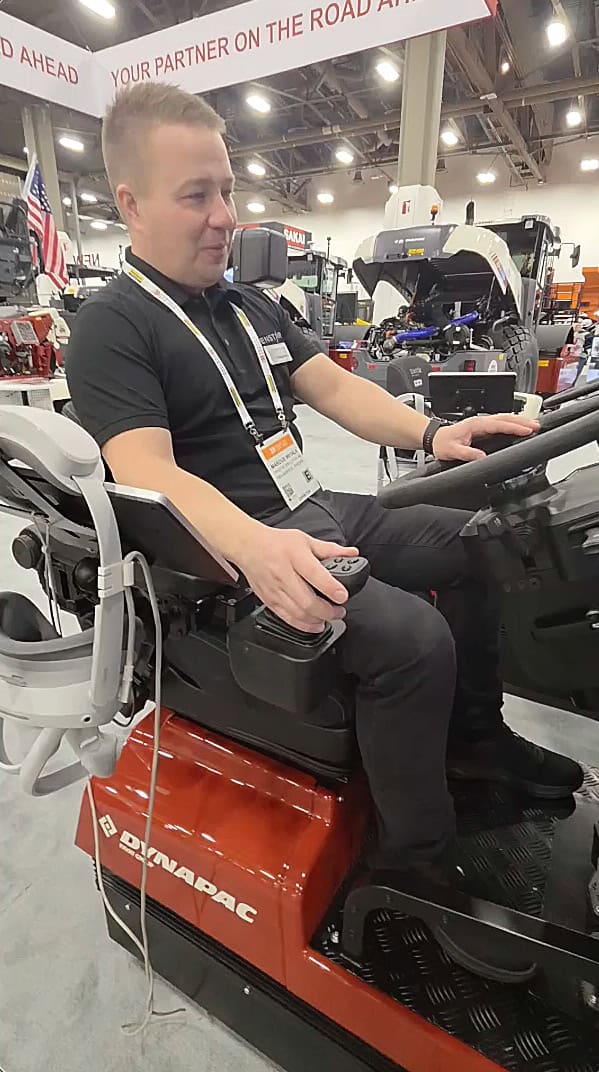
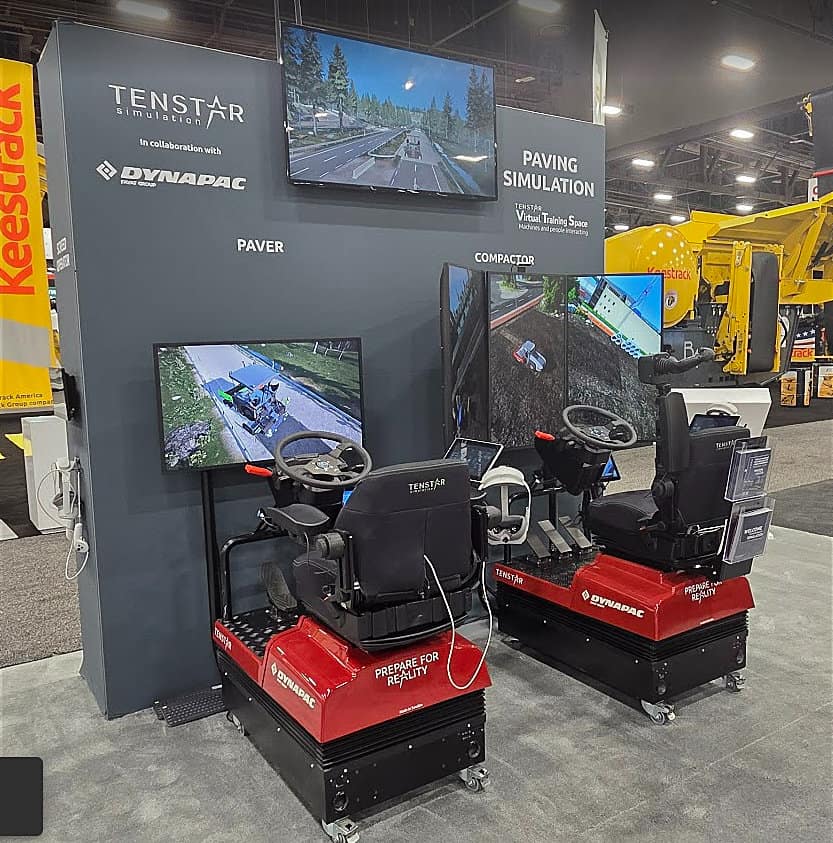
At Conexpo in Las Vegas, visitors had the opportunity to experience the C17 joystick first-hand, interacting with Tenstar‘s Dynapac simulators equipped with these joysticks and seeing how friction-hold control behaves in practice.
“In these applications, machines operate continuously under significant load. Customers need components that do not require frequent adjustment or compromise long-term performance. The C17 has proven itself in that respect,” says Thomas Plahn, Sales Engineer at Caldaro.
Precision drilling in demanding environments
“An early adopter of the C17 platform is ZEGA, based in China,” continues Thomas Plahn. “The feedback has been very positive. OEMs appreciate that the friction remains stable over time, especially in high-volume production where consistency is critical.”
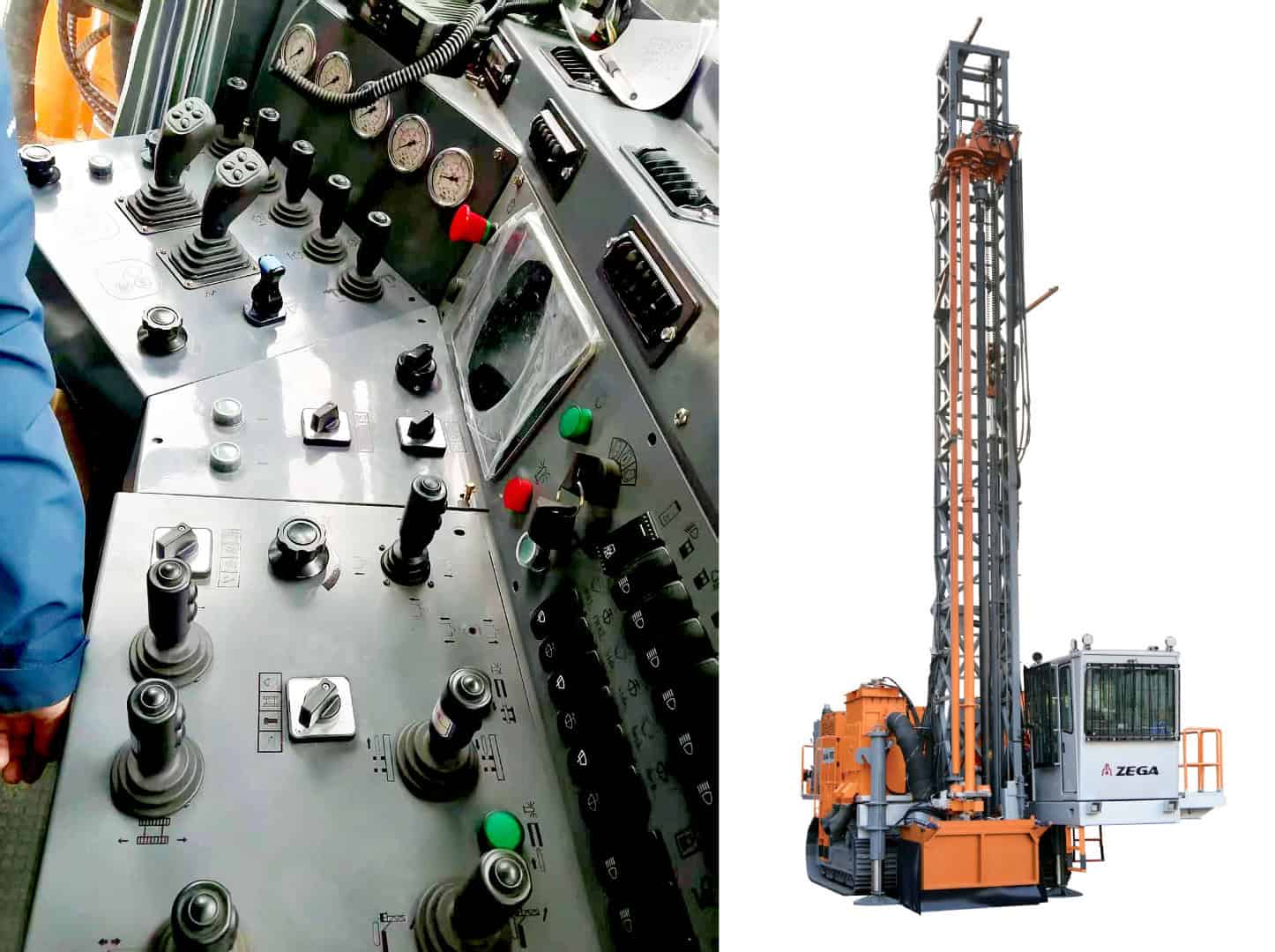
In the ZEGA drill rig, two C17 joysticks with Viper Slim grips are integrated into the control system. The machine is designed for heavy-duty surface drilling in large-scale mining operations, where precision and consistent control is essential for both productivity and safety.
The rig combines rotary and down-the-hole drilling methods, along with multiple automated and hydraulic functions, requiring the operator to manage several systems simultaneously. This is reflected in the control setup, where the two C17 joysticks are complemented by eleven C15 Gecko A3 joysticks in the cabin, enabling precise control of drilling, positioning and other machine functions.
Patented friction engineering
When Caldaro developed the C17 single-axis joystick, the objective was not only smooth movement but also durability under high mechanical stress.
“We wanted to design a friction-hold joystick that would maintain its calibrated resistance for years,” Claudio explains. “It should be possible to adjust the friction level during installation, and once set, it should remain stable over time.”
The friction-hold function relies on sliding surfaces moving against each other to provide calibrated resistance during actuation. When released, that friction holds the lever in the selected position. The challenge lies in controlling that interaction so that the movement remains smooth rather than jerky, and so that the friction level does not degrade with use.
“Maintaining the same friction level over millions of load cycles is much harder than most people think,” says Claudio Talamo, CEO of Caldaro. “In many conventional designs, the feel changes as components wear. For us, long-term consistency was the starting point.”
In 2025, Caldaro was granted a patent for its specially developed friction technology.
“The patent confirms that what we have achieved is not just a minor adjustment of existing solutions,” Claudio says. “It represents a fundamentally improved way of controlling and maintaining friction in this type of application.”